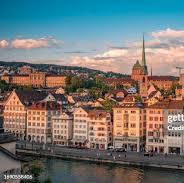
This Zurich travel guide is for travellers who want the city to feel considered, not rushed. Choose the side of Zürich that fits your stay, protect one or two meals, and leave time for the lake, neighbourhoods and an unplanned drink. The city rewards attention more than speed.
- Choose your hotel for the neighbourhood and daily rhythm, not only the name.
- Protect one important dinner and keep the rest flexible.
- Give the lake or river part of your day, especially in warmer months.
Choose the right base
The Old Town places you close to historic streets, restaurants and evening activity. Enge and Seefeld create a calmer lake-oriented stay. Properties above the city can offer more space and a destination feeling, but you will trade some spontaneity for the journey back and forth.
Ask what you want to do before deciding where to sleep. If you expect late dinners and walks, central access matters. If the hotel, spa and view are part of the trip, distance may be worthwhile.
Eat for the room as well as the menu
Zürich gives you classic dining rooms, contemporary kitchens, neighbourhood restaurants and relaxed meals by the water. Start by deciding whether the evening should feel formal, local, creative or easy.
Try Zürcher Geschnetzeltes with rösti when you want the city's traditional plate. For a more ambitious dinner, choose the cooking style and atmosphere that suit you rather than following stars alone. Read our guide to in-demand Swiss tables before making the request.
Use culture to shape the day
Kunsthaus Zürich, Museum Rietberg, the Chagall windows at Fraumünster and the view from Lindenhof can each anchor a few hours without turning the day into a race. Pick one major visit, then connect it to a neighbourhood, lunch or walk.
For a wider view, Uetliberg is close to the city. Rapperswil and other lake towns can work as a half-day or day trip when you want to leave the centre without building a complicated excursion.
Let the day breathe
A good Zürich day can be remarkably simple: one cultural stop, lunch in the right neighbourhood, time by the water and a dinner worth keeping. The distances may look short on a map, but constantly crossing the city still breaks the rhythm. Group plans by area and allow space for the café, shop or view you notice on the way.
If you are arriving by air or rail, do not make the first evening your most complicated one. Choose somewhere close to the hotel or easy to reach, then protect the more important dinner for a night when you can arrive without watching the clock.
Sunday is quieter. Many shops close, while the lake, parks and walking routes become more important. Plan shopping for another day and let Sunday be slower.
Choose the evening you actually want
Zürich can give you cocktails in a polished hotel bar, wine in a neighbourhood room, a summer drink by the water or a late table that carries into the night. Decide whether you want conversation, atmosphere or somewhere lively before choosing. The famous address is less useful than the room that matches your mood.
Choose the season for your version of Zürich
Warmer months bring swimming, terraces and longer evenings. December adds markets and winter atmosphere. Autumn can suit museums, food and a quieter city break. Whatever the season, check major events and hotel demand before fixing your dates.
You can navigate Zürich easily yourself. The work is finding the places that fit your taste, reserving the moments that matter and connecting them without overplanning the city.
You do not need more options. You need the right one.
We understand what you need, recommend what fits, and coordinate the details around the rest of your trip.
Velares is useful when the decision is not just where to book, but what fits the whole plan. We help you choose well, coordinate directly, and keep the details connected.
Get in touch →Use The Velares Switzerland Guide as your hub. Then explore Swiss food by region or the quieter months.